
Building Healthier Individuals, Stronger Families, and Thriving Communities
Prepare for impactful careers in human development, family services, nutrition, public health, and community wellness through hands-on learning, research, and community engagement.
ABOUT THE DEPARTMENT
The Department of Human Sciences prepares future professionals who improve the lives of individuals, families, and communities through education, research, and service. Students gain the knowledge, skills, and real-world experience needed to address challenges in human development, family relationships, nutrition, health, and community well-being. Through innovative teaching, experiential learning, and community engagement, our graduates are equipped to become leaders in human services, public health, nutrition, family advocacy, and related professions.
MISSION STATEMENT
The Department of Human Sciences prepares students for employment and graduate study in Human Development and Family Science and Food, Nutrition, and Community Health Sciences. Through education, research, and outreach, we promote positive well-being, healthy relationships, and access to resources that strengthen individuals, families, and communities.
HOW WE FULFILL OUR MISSION
Academic Excellence
Deliver rigorous, high-quality academic programs that prepare students for graduate education, professional careers, leadership opportunities, and lifelong success.
Land-Grant Engagement
Advance the University’s land-grant mission through excellence in teaching, research, and extension while fostering partnerships that address evolving community needs and societal challenges.
Student Success and Support
Provide comprehensive student support services, including academic advising, mentoring, tutoring, cultural enrichment, and innovative instructional practices that promote personal, professional, and social development.
Experiential Learning and Professional Preparation
Offer diverse hands-on learning experiences that equip students with the knowledge, skills, and practical experience needed to excel in human sciences professions and make meaningful contributions to society.
Understanding People. Strengthening Families. Transforming Communities.
The Human Development and Family Science program examines how individuals grow, develop, and interact throughout the lifespan. Students gain research-based knowledge of human development while exploring solutions to challenges affecting children, adults, families, and aging populations, particularly within underserved communities. Through coursework, experiential learning, and community engagement, students develop the skills needed to support healthy relationships, advocate for families, and improve quality of life across generations.
Why Choose HDFS?
-
- Study human development from infancy through late adulthood
- Learn strategies that strengthen families and communities
- Gain practical experience working with diverse populations
- Explore careers in family services, youth development, aging services, and community programs
- Prepare for graduate study and professional certifications
Concentration Areas
Gerontology and Elderly Care
Examine the aging process and develop specialized skills to support the physical, emotional, and social well-being of older adults.
Marriage, Success and Lifelong Relationships
Study relationship development, family dynamics, communication, and strategies that promote healthy and enduring partnerships.
Childcare Management (CDA)
Prepare for leadership roles in early childhood education and childcare settings while developing competencies aligned with Child Development Associate (CDA) standards.
Adult Daycare and Late-Life Respite Care
Learn to provide quality care, support services, and resources that enhance the lives of older adults and assist family caregivers.
Career Opportunities
Graduates may pursue careers as:
-
- Family Life Educators
- Child and Youth Program Coordinators
- Family Services Specialists
- Community Outreach Coordinators
- Childcare Center Directors
- Aging Services Professionals
- Case Managers
- Human Services Professionals
Advancing Health Through Nutrition, Education, and Community Impact.
The Food, Nutrition and Community Health Sciences program prepares students to address health and wellness challenges through evidence-based nutrition, public health education, and community engagement. Students develop the scientific knowledge and practical skills needed to promote healthy lifestyles, improve health outcomes, and address health disparities. Through hands-on learning, community partnerships, and experiential opportunities, graduates are prepared to become leaders in nutrition, health promotion, and public health.
Why Choose FNCHS?
-
- Learn from experienced faculty with expertise in nutrition and health sciences
- Explore the relationship between nutrition, wellness, and disease prevention
- Gain practical experience through community-based learning
- Address public health challenges affecting diverse populations
- Prepare for careers in health promotion, nutrition, and community health.
Concentration Areas
Nutrition Science
Study the role of nutrients in human growth, development, and overall health, and promote evidence-based dietary practices.
Public Health
Develop strategies to improve and protect the health of individuals, families, and communities through education, prevention, and health promotion.
Global Health and Community Wellness
Explore global health challenges while promoting equitable access to healthcare and wellness resources.
Public Health and Environmental Health
Examine how environmental factors influence human health and develop solutions that promote healthier communities.
Public Health and Maternal & Child Health
Focus on improving health outcomes for mothers, infants, children, and families through education, policy, and community-based interventions.
Career Opportunities
Graduates may pursue careers as:
-
- Community Health Educators
- Public Health Specialists
- Nutrition Program Coordinators
- Health Promotion Specialists
- Wellness Coordinators
- Community Outreach Professionals
- Maternal and Child Health Advocates
- Public Health Program Managers
Human Development & Family Science Careers
- Family Services Specialist
- Child and Youth Advocate
- Family Life Educator
- Aging Services Coordinator
- Childcare Administrator
- Community Outreach Coordinator
Food, Nutrition & Community Health Sciences Careers
- Community Health Educator
- Public Health Specialist
- Nutrition Program Coordinator
- Wellness Coordinator
- Maternal and Child Health Advocate
- Community Wellness Coordinator
Current Outlook:
- Health Education Specialists are projected to grow 4% from 2024-2034.
Community Health Workers are projected to grow 11% from 2024-2034, much faster than average (Bureau of Labor Statistics, 2025) - Overall, healthcare occupations are projected to grow much faster than average, with approximately 1.9 million openings annually (Bureau of Labor Statistics, 2025).
Want to learn more?
Explore salary information, job growth projections, and career requirements through the U.S. Bureau of Labor Statistics Occupational Outlook Handbook.
Meet Our Faculty and Staff
The faculty of the Department of Human Sciences are dedicated educators, researchers, mentors, and community leaders committed to student success. Bringing together expertise in human development, family science, nutrition, public health, and community wellness, our faculty provide students with the knowledge, guidance, and hands-on learning experiences needed to excel in their chosen careers.
Through innovative teaching, meaningful research, and community engagement, our faculty prepare students to address real-world challenges affecting individuals, families, and communities. Beyond the classroom, they serve as mentors who support academic achievement, professional development, leadership growth, and lifelong learning.
Whether guiding undergraduate research, facilitating experiential learning opportunities, or connecting students with industry and community partners, our faculty are invested in helping every student reach their full potential and make a positive impact in the world.
Learn more about the accomplished faculty members who are shaping the next generation of human sciences professionals.
 Dr. Muhammad Riaz
Interim Chair / Faculty
[email protected]
(601) 877-4710

Dr. Martha Ravola
Professor
[email protected]
601-877-4717
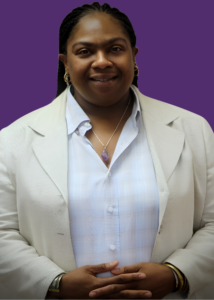
LaTasha Coleman
Staff/Adjunct
[email protected]
601-877-3967
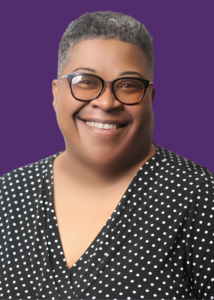 Felicia M. Garfield
Administrative Assistant
[email protected]
(601) 877-6252
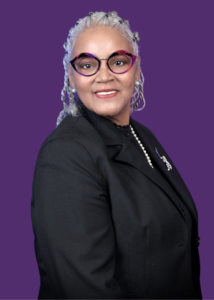
Ouida Pittman
Part-Time Instructor
[email protected]
601-877-4716
Adjunct Instructors
The Bachelor of Science degree program in Child Development and Family Studies focuses on the study of Child Development and Family Life. The multidisciplinary curriculum is synergistic and integrative in content, knowledge, and experiential learning from various fields for the purpose of studying individuals and families across the lifespan. The program of study views the child, family, and community as interrelated and develops creative approaches to address the problems and needs of these entities in a variety of settings. The program prepares graduates for a variety of career choices, including administering programs for young children, adolescents, and adults, family life education, cooperative extension, and human and social service agencies.
Please click on the links below to learn more about Child Development:
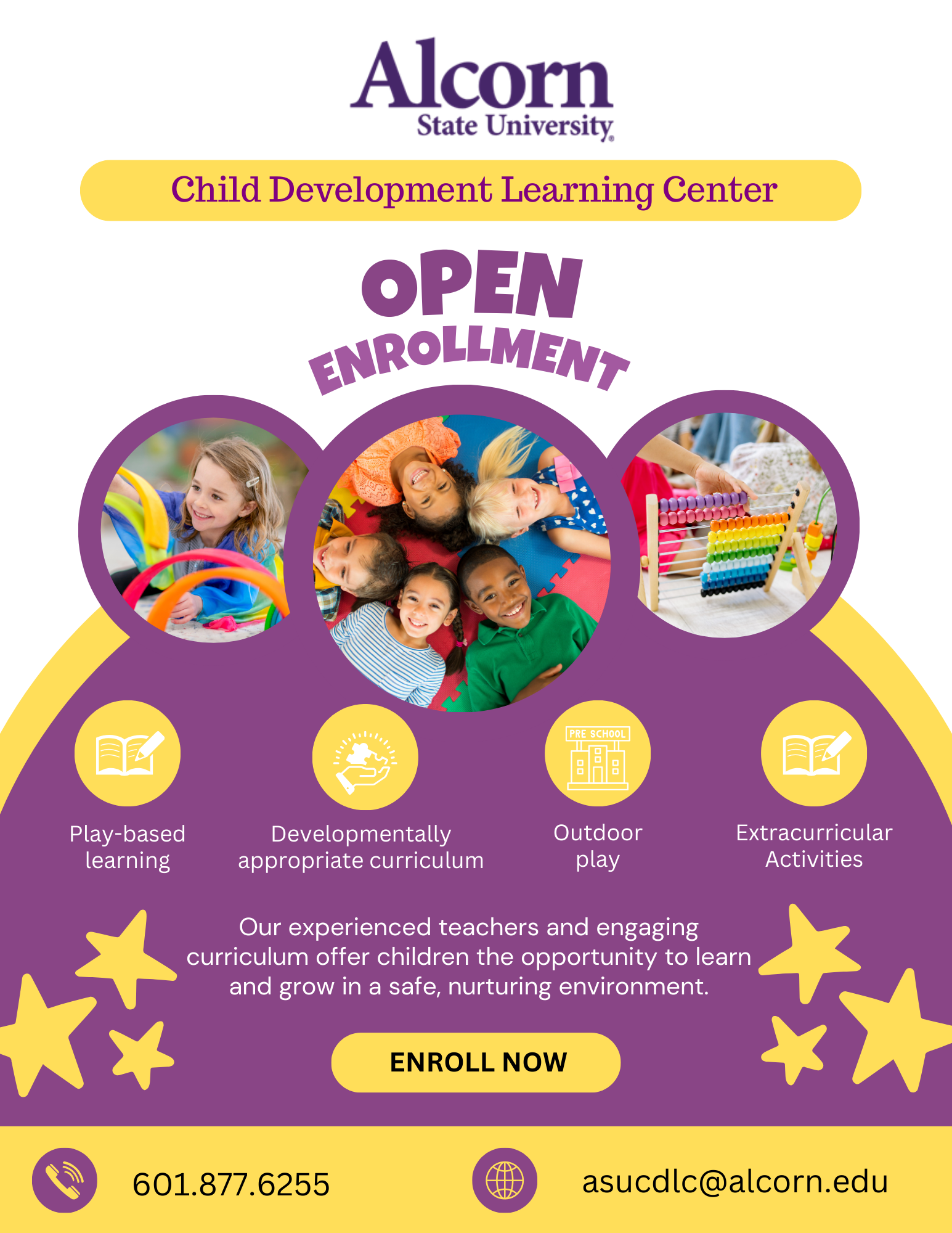
About the Child Development Learning Center
The Alcorn State University Child Development Learning Center (CDLC) provides a nurturing, developmentally appropriate learning environment designed to support the growth and development of young children. Established in 1950, the CDLC operates under the Department of Human Sciences within the College of Agriculture and Applied Sciences and has been licensed by the Mississippi State Department of Health since June 23, 1980. The center serves children from six weeks through 5 years of age in infant, toddler and preschool classrooms.
The CDLC supports Alcorn State University’s land-grant mission through teaching, research and outreach. In addition to providing childcare and early learning opportunities for families, the center serves as an applied learning environment for university students. Students have opportunities to observe, participate and gain practical experience while studying the physical, social, emotional and intellectual development of young children. The center also supports research and educational experiences associated with the university’s academic programs.
Learning and Development
The Child Development Learning Center is committed to providing a safe, responsive and engaging environment where children can grow, learn and develop. The center offers play-based learning and developmentally appropriate educational experiences that support early childhood growth and social-emotional development. Children also have opportunities to participate in outdoor play and extracurricular activities that complement their classroom experiences.
Through age-appropriate learning experiences, the CDLC supports the development of the whole child. Teachers provide experiences that encourage children to explore, interact, communicate and develop skills that contribute to their continued growth and preparation for future educational experiences.
Meet Our Staff
The Child Development Learning Center is supported by a team committed to providing a safe, nurturing and developmentally appropriate learning environment for children. Our staff works closely with children and families while supporting the center’s teaching and experiential learning mission.
A Learning Laboratory for Alcorn Students
An important part of the CDLC’s mission is its role as an applied learning site for Alcorn State University students. The center provides university students with observational, participatory and educational experiences in a high-quality child development setting. Through these experiences, students can connect concepts learned in the classroom with practical experiences involving infants, toddlers, preschool children and families.
The CDLC is housed within the Department of Human Sciences and supports experiential learning opportunities associated with academic study in child development and related areas. Its role as a learning laboratory allows Alcorn students to gain a deeper understanding of child growth and development while preparing for careers that serve children, families and communities.
Enrollment
Enrollment at the Child Development Learning Center is open to children ages six weeks through 5 years. Children are served through infant, toddler and preschool classrooms, with classroom placement based on age and developmental considerations.
Parents and guardians interested in enrolling a child may obtain an application from the Child Development Learning Center. Families are also encouraged to contact the center to schedule a visit, learn more about available enrollment opportunities and receive current information regarding required enrollment documentation.
Child Care Vouchers
The Child Development Learning Center accepts state-approved child care vouchers to help make quality early childhood education and childcare more accessible to eligible families. Through the center’s Access for All initiative, qualifying families may apply approved child care benefits toward tuition costs at the CDLC. Families interested in using child care assistance are encouraged to contact the center for additional information regarding enrollment and the use of approved benefits.
Drop-In Childcare for Alcorn Students
The Child Development Learning Center also offers a drop-in childcare service designed to support eligible full-time undergraduate Alcorn State University students who are parents. The service provides a short-term childcare option to help student parents balance their academic responsibilities while ensuring their children are cared for in a nurturing and secure environment.
To qualify for the drop-in childcare program, parents must be enrolled as full-time undergraduate students at Alcorn State University and provide proof of enrollment. A completed application and required documentation must also be submitted to the center. The drop-in program is offered for $25 for up to five days of care, with each additional day available for $5.
Hours of Operation
The Child Development Learning Center is open from 8 a.m. to 5 p.m. Monday through Thursday and from 8 a.m. to 4 p.m. Friday. Early drop-off is available beginning at 7:45 a.m.
Our Commitment to Children and Families
For more than 75 years, the Child Development Learning Center has been part of Alcorn State University’s commitment to children, families, students and communities. The center continues that tradition by providing an environment that promotes early learning and development while creating meaningful experiential learning opportunities for university students.
Through its combined roles in childcare, education and applied learning, the CDLC supports young children during important developmental years while helping prepare Alcorn students for careers that positively impact children, families and communities.
Contact the CDLC
Families interested in enrollment, scheduling a visit, learning more about child care vouchers or receiving information about the student drop-in childcare program may contact the Child Development Learning Center.
Geneiiah Weddington, Ed.S.
Director, Child Development Learning Center
Eunice Powell Hall
Alcorn State University
Lorman, Mississippi 39096
Phone: 601-877-6255
Email: [email protected]